
Other Realms
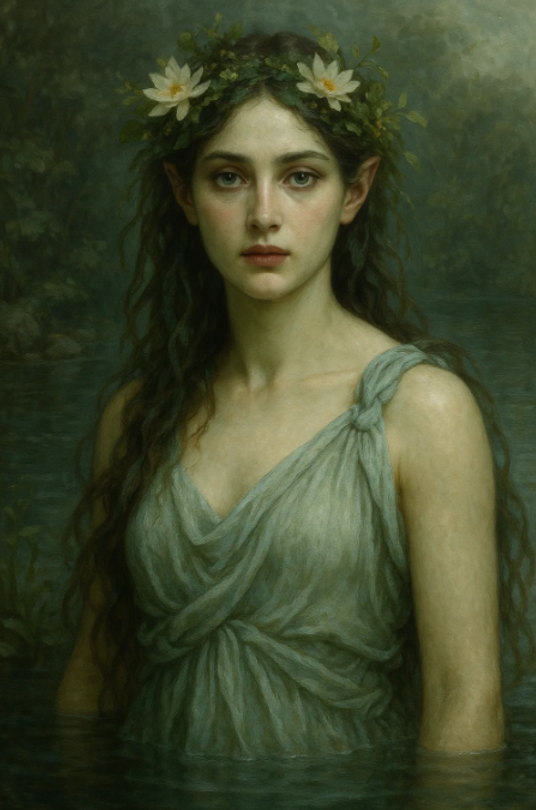

Daedalus
The Genius of Ancient Athens
Daedalus was born in Athens, often depicted as a descendant of the royal house of Cecrops, the city’s first king. From a young age, he showed extraordinary intelligence, artistry, and technical skill. He was the kind of figure who blurred the lines between mortal and divine capability, credited with inventing tools, architecture, and sculpture techniques never seen before.
In a time when most artists created lifeless forms, Daedalus was said to make statues that could breathe, move, or seem alive, giving rise to legends that his creations had to be tethered to the ground to prevent them from walking away.
But with great genius often comes envy—and a shadow.
Daedalus had a nephew named Talos (or Perdix, in some versions), who showed talent equal to or even surpassing his own. Talos invented the saw by mimicking the teeth of a snake’s jawbone, and he devised the compass to draw perfect circles.
Fearing he would be outshone, Daedalus committed an unforgivable act: he threw his nephew from the Acropolis. The gods, dismayed, turned the boy into a partridge, which would forever avoid high places.
For this crime, Daedalus was banished from Athens, and he fled to the island of Crete, where his legend would grow even darker—and brighter.
In Crete, Daedalus entered the service of King Minos. He became the royal inventor and was soon tasked with one of the most delicate and disturbing creations in myth: the mechanical cow.
Queen Pasiphaë, cursed by Poseidon to fall in love with a sacred bull, begged Daedalus for help. Using his ingenuity, he crafted a lifelike wooden cow, allowing her to consummate her desire. From this unnatural union was born the Minotaur, a monstrous hybrid of man and bull.
Minos, horrified but unable to kill the creature, asked Daedalus to build a prison that could contain the beast forever.
Daedalus created the Labyrinth beneath the palace of Knossos—a sprawling, twisting maze so complex that no one who entered could ever find their way out. It became one of the most enduring symbols in mythology, representing:
-
The subconscious mind
-
Mystery and initiation
-
The soul’s journey through darkness to clarity
The Labyrinth was more than architecture—it was a metaphor made stone.
Years later, when Theseus came to Crete to slay the Minotaur, it was Daedalus who secretly gave Ariadne the idea of the golden thread. With it, Theseus was able to retrace his steps and escape the Labyrinth after killing the beast.
When Minos discovered Daedalus’s betrayal, he imprisoned him and his son Icarus in a tower, or in some versions, within the very Labyrinth he had built.
Daedalus refused to die in confinement. Using feathers, wax, and clever engineering, he crafted two pairs of wings to escape with his son Icarus. Before their flight, he gave his son a warning:
“Fly neither too high, or the sun will melt your wings, nor too low, or the sea’s spray will weigh you down.”
Together, they took flight, becoming the first humans to soar through the skies. But Icarus, intoxicated by the thrill of freedom, flew too high. The sun’s heat melted the wax, and he plunged into the sea, where he drowned. The place of his fall was forever named the Icarian Sea.
Daedalus, heartbroken, flew on alone to Sicily, where he mourned and buried his son.
In Sicily, Daedalus found refuge with King Cocalus, and his genius continued to shine. When Minos tracked him down, demanding his return, Cocalus agreed—but with Medea-like cunning, his daughters killed Minos by scalding him with boiling water during a bath.
Daedalus lived out the rest of his life in honor and peace, continuing his craft in obscurity, a man both worshiped and cursed.
“Even the wisest builder cannot always escape his own maze.”
